Source helichrysum tattoo soothing cream for artists, clinics, and spas
Compare 30 products including helichrysum tattoo soothing cream options alongside numbing creams and aftercare lotions. Buyers can evaluate specifications, certifications, and pricing for skin care and body art applications from verified manufacturers.
Key considerations
Products List


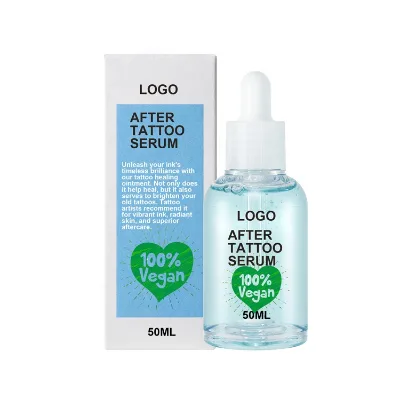
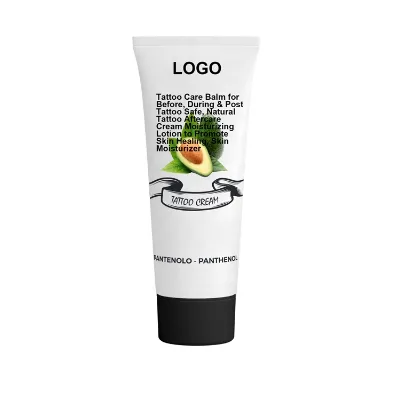


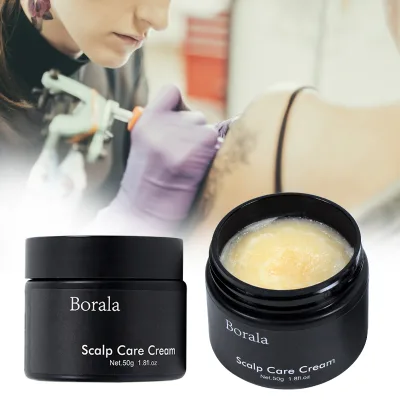


Comprehensive Sourcing Guide
Strategic Sourcing Guide for Helichrysum Tattoo Soothing Cream
The procurement of specialized aftercare products, specifically those incorporating helichrysum for tattoo soothing, requires a nuanced understanding of the intersection between botanical efficacy and regulatory compliance. While the core keyword "helichrysum tattoo soothing cream" suggests a specific botanical formulation, the available market data reveals a complex landscape of topical anesthetic creams, aftercare lotions, and ointments with varying ingredient profiles. Buyers must navigate a supply chain where product attributes such as "Skin Care," "Body Art," and "Local Analgesia" often overlap. This guide provides a disciplined approach to sourcing these products, focusing on technical verification, certification integrity, and supply chain reliability without relying on unverified marketing claims.
Technical Specifications and Formulation Verification
When sourcing tattoo aftercare or soothing creams, the first step is to rigorously define the technical specifications required for the product's intended function. The market data indicates a diverse range of product types, from "Topical Anesthetic Cream" to "Lotion" and "Smooth Cream Formula." A critical distinction must be made between products designed for pain relief during the tattooing process and those intended for post-procedure soothing and healing.
The formulation of a helichrysum-based soothing cream should prioritize ingredients known for anti-inflammatory and regenerative properties. However, the observed product attributes in the current supply pool list "Active Ingredients" such as Lidocaine, Prilocaine, and Tetracaine, which are potent local anesthetics rather than soothing botanicals. This suggests that a buyer seeking a "helichrysum soothing cream" must explicitly verify that the supplier's formulation does not rely solely on anesthetic agents. The primary function of the desired product should be "Lightening, Moisturizer," or general skin recovery, rather than "Local Analgesia and Pain Relief."
Buyers should scrutinize the "Main Ingredients" list. While the provided data mentions Water, Propylene Glycol, and specific anesthetics, a true helichrysum product must list Helichrysum italicum or Helichrysum extract prominently. The texture is typically described as a "Smooth Cream Formula," but the viscosity and absorption rate are critical for tattoo aftercare. The product should not be "Disposable" in the sense of being a single-use wipe, but rather a consumable tube or bottle. The packaging specifications observed, such as "Aluminium Tube+Color Box+Outer Carton" or "Box," must be evaluated for their ability to protect the botanical integrity of the cream. Plastic packaging is also observed, but aluminum tubes are generally preferred for light-sensitive botanical ingredients to prevent degradation.
Compliance and Certification Standards
In the cosmetics and medical-adjacent sector, certification is not merely a marketing asset but a fundamental requirement for market entry and liability protection. The supply data highlights several critical certifications, including "GMPC&ISO22716&Sedex" and "GMP." These standards are essential for any buyer sourcing tattoo aftercare products.
GMPC (Good Manufacturing Practice for Cosmetics) and ISO 22716 are the global benchmarks for cosmetic manufacturing quality. They ensure that the facility where the helichrysum cream is produced maintains strict hygiene, traceability, and quality control protocols. The presence of "Sedex" certification indicates a commitment to ethical supply chain practices, which is increasingly important for brands concerned with sustainability and labor standards. "GMP" certification further validates that the product is manufactured in a facility that meets pharmaceutical-grade standards, a crucial differentiator for products applied to broken skin.
Buyers must verify that the "Certification" status applies specifically to the helichrysum formulation. The data notes "Standard Specifications or Customized" as a standard, meaning that a supplier may hold a general GMP certificate but the specific batch of helichrysum cream might not be covered under the same quality assurance umbrella unless explicitly stated. The "prod_standard" field often lists weight or volume (e.g., "5.29OZ", "100g", "200ml/60ml/57g"), but these are packaging standards, not regulatory ones. The buyer must demand a Certificate of Analysis (CoA) that confirms the concentration of helichrysum extract and the absence of prohibited substances, as the "Active Ingredients" list in the general data includes anesthetics that may not be suitable for all aftercare scenarios.
Cost Drivers and Pricing Dynamics
The pricing structure for tattoo aftercare creams is influenced by several variables, including the cost of raw botanical materials, packaging complexity, and certification overhead. The observed price range in the market spans from $0.7 to $15 USD. This wide disparity indicates a tiered market where low-cost generic ointments coexist with premium, certified botanical formulations.
A product priced at the lower end of the spectrum ($0.7-$2.0) is likely a basic ointment, possibly containing minimal botanical content or relying on synthetic alternatives. In contrast, a price point near $15.00 suggests a product with high concentrations of active botanicals like helichrysum, premium packaging (e.g., aluminum tubes with custom color boxes), and full compliance with international standards like ISO 22716. The "MOQ" (Minimum Order Quantity) also plays a significant role in unit cost. The data shows an MOQ range from 1 piece to 3600 pieces. Suppliers offering an MOQ of 1 piece often have higher unit costs due to the lack of economies of scale, whereas bulk orders of 3600 pieces can significantly reduce the per-unit price.
Buyers should be aware that "OEM & ODM Custom" services, which are widely available, add a layer of cost. Customizing the formula to ensure the correct helichrysum concentration, selecting specific packaging materials like "Aluminium Tube," and obtaining custom labeling will increase the initial investment but can lower long-term costs through brand differentiation. The "Delivery Time" of 1-7 working days for samples and the broader lead times for production must be factored into the total cost of ownership, as expedited shipping via carriers like "DHL EMS UPS FedEx" adds to the final expense.
Typical Applications and Usage Scenarios
Understanding the specific application of the product is vital for matching the right formulation to the market need. The data identifies two primary usage categories: "Body Art" and "Skin Care." While these often overlap, the functional requirements differ.
For "Body Art" applications, the product is used immediately after the tattooing process to soothe inflammation, reduce redness, and promote healing. In this context, the product must be non-irritating and free from harsh chemicals that could interfere with the tattoo ink or the healing skin. The "Texture" should be smooth enough to spread easily but not so greasy that it clogs pores or causes ink to bleed. The "Feature" of "Moisturizer" is essential here to prevent scabbing and cracking.
In the "Skin Care" context, the product may be marketed for general post-procedure recovery or for individuals with sensitive skin. The "Age Group" is listed as "Adults," and the "Gender" is often specified as "Female," though these are not exclusive limitations. A helichrysum cream in this category might emphasize "Lightening" properties to help fade scar tissue or hyperpigmentation over time. The "Product Name" variations, such as "Tattoo Aftercare 3" or "Glide Tattoo Ointment," suggest that suppliers often rebrand similar formulations for different niches. Buyers must ensure that the "Primary Function" aligns with the intended use; a cream designed for "Local Analgesia" (numbing) is not suitable for aftercare soothing, as it may contain ingredients that delay healing.
Supplier Evaluation and Operational Capabilities
Evaluating a supplier for helichrysum tattoo cream requires a deep dive into their operational capabilities and geographic location. The data indicates that many suppliers are located in "Zhejiang, China" or generally "China." This region is a major hub for cosmetic manufacturing, offering access to a robust supply chain for both chemical and botanical ingredients.
When evaluating a supplier, buyers should verify their "Service" capabilities, specifically their willingness to engage in "OEM ODM" (Original Equipment Manufacturer/Original Design Manufacturer). The ability to customize the formula is critical for ensuring the inclusion of helichrysum. The "Sample Lead Time" of 3-5 days is a strong indicator of a responsive supplier, allowing buyers to test the product quickly. However, the "Delivery Time" for bulk orders must be confirmed, as the observed 1-7 working days may apply only to samples or small batches.
The "Qty/CTN" (Quantity per Carton) is another operational metric to consider. A value of 48 pieces per carton suggests a standardized packaging process, which is beneficial for logistics and inventory management. Buyers should also check if the supplier offers "Customization" for packaging, such as the "Aluminium Tube+Color Box+Outer Carton" configuration. The ability to customize the "prod_packing" is essential for brand identity. Furthermore, the "prod_model" codes (e.g., "TCY-001", "MIA10221") indicate that suppliers often have a catalog of pre-existing models. Buyers must ensure that the specific model selected can be modified to include the desired helichrysum formulation, rather than being limited to the standard anesthetic or generic ointment models listed in the data.
Quality Control and Long-Term Procurement Considerations
Ensuring consistent quality in botanical-based products is challenging due to the natural variability of plant extracts. Quality control measures must be stringent to guarantee that every batch of helichrysum cream meets the specified efficacy and safety standards. The "Standard Specifications" field, which includes options like "200ml/60ml/57g" or "100g," highlights the need for precise weight control. Deviations in weight can indicate filling errors or inconsistent formulation density.
Buyers should implement a rigorous quality control protocol that includes testing for microbial contamination, heavy metals, and the actual concentration of helichrysum extract. The "Certificates" mentioned, such as GMPC and ISO 22716, are a starting point, but they do not replace batch-specific testing. The "Disposable" attribute in the data is contradictory, with some entries listing "Disposable" and others "Non-Disposable." This inconsistency underscores the need for clear definition in the purchase order. A tattoo aftercare cream is a consumable product but is not "disposable" in the sense of being a single-use item like a wipe; it is a multi-use tube or bottle.
Long-term procurement considerations involve building a relationship with a supplier who can scale production while maintaining quality. The "MOQ" range of 1 to 3600 offers flexibility for startups, but as demand grows, the buyer should aim to negotiate lower unit costs through higher volume commitments. The "Lead Time" of 1-7 working days for delivery is favorable, but supply chain disruptions can occur. Buyers should maintain a safety stock and diversify their supplier base if possible. The "Shipping" options via major carriers like DHL, EMS, UPS, and FedEx ensure reliable logistics, but the cost implications of these services must be managed carefully.
Finally, the "Product Name" and "Keywords" such as "Tattoo Anesthetic Cream" or "Tattoo Numbing Cream" in the data suggest that many suppliers may not specialize in helichrysum-specific products. Buyers must be vigilant in distinguishing between a general tattoo cream and a specialized helichrysum soothing cream. The "Feature" of "Lightening, Moisturizer" is a strong indicator of a post-care product, but the "Active Ingredients" list must be cross-referenced to ensure it does not contain high levels of anesthetics that could be detrimental to long-term skin health. By adhering to these disciplined sourcing practices, buyers can secure high-quality helichrysum tattoo soothing creams that meet both regulatory standards and consumer expectations.
FAQs
What active ingredients are typically found in tattoo numbing creams?
Active ingredients usually include Lidocaine, Prilocaine, and Tetracaine for local analgesia. Buyers must verify that helichrysum soothing creams do not rely solely on these anesthetics but prioritize botanical extracts for healing.
Which certifications ensure cosmetic manufacturing quality for tattoo aftercare?
GMPC, ISO 22716, and GMP certifications ensure strict hygiene and quality control. Sedex certification further validates ethical supply chain practices, which is critical for products applied to broken skin.
How does packaging affect the integrity of botanical tattoo creams?
Aluminum tubes are preferred over plastic to protect light-sensitive botanical ingredients like helichrysum from degradation. Buyers should verify if the supplier offers custom packaging to ensure product stability during storage.
Can suppliers customize the formula for specific helichrysum concentrations?
Yes, OEM and ODM customization services are widely available to adjust formulations. Buyers must explicitly request the inclusion of Helichrysum italicum extract to ensure the product functions as a soothing cream rather than an anesthetic.
What is the typical price range for tattoo aftercare creams?
Market prices range from 0.7 to 15 USD depending on formulation and certification. Lower costs often indicate basic ointments, while higher prices reflect premium botanical content and international compliance standards.
Where are most tattoo cream manufacturers located?
Major manufacturing hubs are located in Zhejiang, China, offering robust supply chains. Buyers should verify specific factory locations to ensure they align with their logistical requirements and quality expectations.
How long does it take to receive samples for testing?
Sample lead times typically range from 3 to 5 days for testing purposes. Buyers should confirm if the quoted delivery time applies to samples or bulk production to plan their procurement schedule accurately.